Answer: Coastal properties require far more scrutiny than inland homes. Beyond your standard inspection, you must look for saltwater corrosion on HVAC and mechanical systems, assess geological stability and retaining walls on hillside lots, and rigorously check for moisture intrusion and stucco failure caused by constant marine layer exposure. You don't just need a home inspector; you need coastal specialists.
Check out this video we did on the inspection process: What To Look For During a Coastal Home Inspection
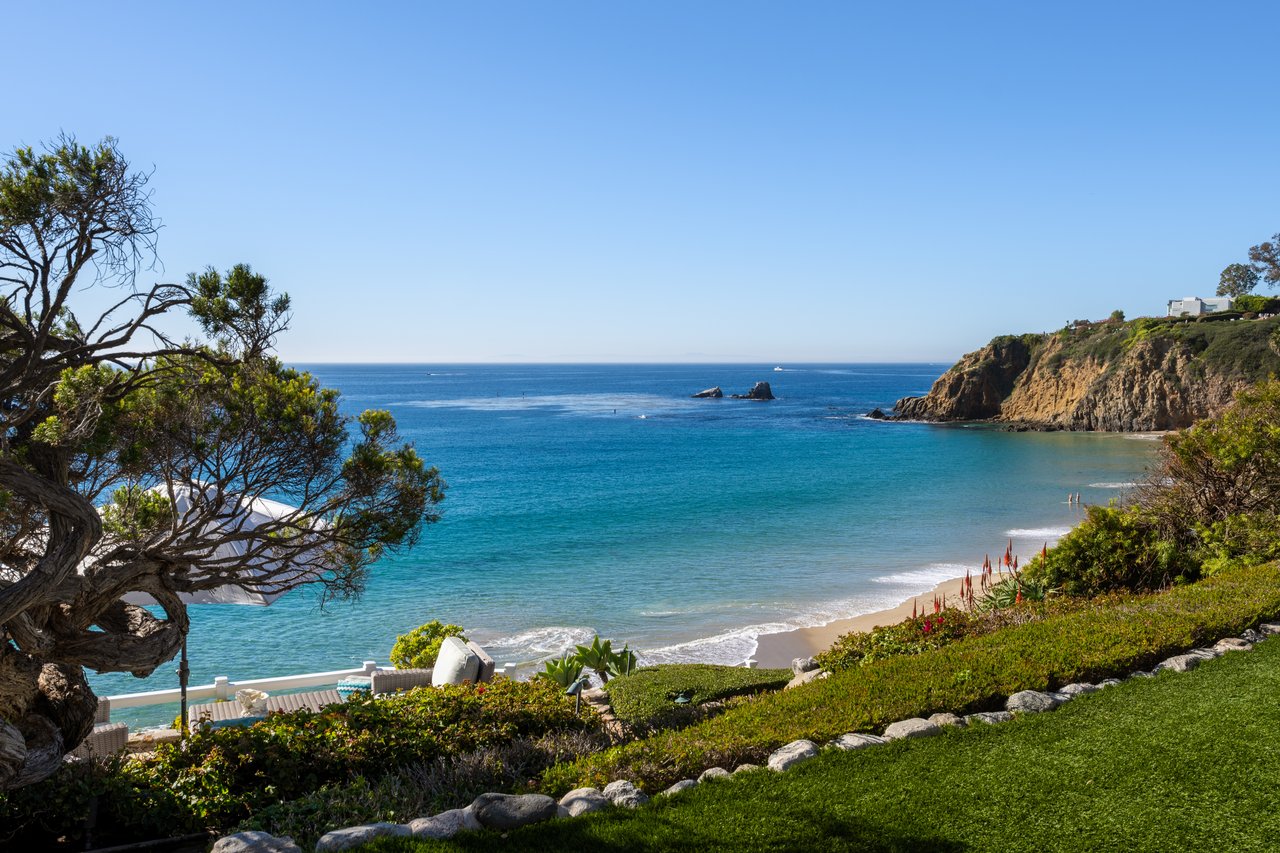
Buying a luxury home in Laguna Beach is about securing a lifestyle. It’s waking up to the sound of the Pacific, enjoying panoramic sunsets from your deck, and breathing in the crisp, salty air.
But that same beautiful, salty air is also your home's biggest natural adversary.
The ocean is a powerful neighbor. Homes situated on the coast—whether sitting directly on the sand in Crescent Bay or perched high up in Mystic Hills—are subjected to extreme elements that inland homes simply never experience.
When Marcus Skenderian Real Estate and our team represent buyers, we approach the contingency period with a completely different playbook.
Here is exactly what we look for when inspecting a high-end coastal property to ensure your dream home doesn't become a maintenance nightmare.
1. The Invisible Enemy: Salt Air Corrosion
Saltwater vapor is incredibly corrosive. It doesn't just affect the exterior; it works its way into the mechanics of the home.
-
HVAC Condensers: This is the number one casualty of coastal living. We check the exterior air conditioning units for extreme rust. Standard units can degrade in just a few years here; we look for units treated with specialized coastal coatings.
-
Exterior Hardware & Metal: We inspect exterior light fixtures, door hinges, balcony railings, and window frames. Are they marine-grade stainless steel (316L) or brass, or are they cheap metals that are already bubbling and pitting?
-
Electrical Panels: If an electrical panel is located on the exterior of the home, salt air can penetrate and corrode the breakers, creating a massive fire hazard.
2. The Ground Beneath You: Geological Nuances
Laguna Beach is famous for its dramatic topography. That beauty comes with geological responsibility.
-
Hillside Stability: For homes in areas like Top of the World or Arch Beach Heights, and even on the ocean front, we often recommend bringing in a specialized geological inspector. We need to look for signs of soil creep, settling, or erosion.
-
Retaining Walls: A failing retaining wall on a hillside property can be a six-figure repair. We look for bowing, cracking, or poor drainage behind the walls.
-
Water Runoff: When it rains in Laguna, the water rushes down the canyons. We meticulously inspect the property's drainage systems to ensure water is being routed away from the foundation, not pooling under the house.
3. Moisture Intrusion and The "Marine Layer" Effect
In coastal Orange County, homes are frequently blanketed in heavy, wet fog. This constant moisture seeks out any vulnerability in a home's envelope.
-
Stucco and Siding: We look for hairline cracks in the stucco. While normal in many climates, in Laguna Beach, a small crack allows moisture from the morning marine layer to seep in and rot the wood framing behind it.
-
Window Seals: High winds and salt degrade the seals on double-paned windows faster than average. We check for condensation or "fogging" between the panes of glass, which indicates the seal has failed and the expensive window needs replacing.
-
Roof Flashing: Ocean winds can lift roof tiles or shingles, exposing the underlayment. We pay special attention to the flashing around chimneys and vents, which are common entry points for coastal rain.
4. The Wood Destroyers: Termites and Dry Rot
Termites love the damp, temperate climate of the Southern California coast.
-
Dry Rot vs. Termites: What looks like termite damage on an ocean-facing deck is often actually dry rot—a fungus that eats wood fibers in highly moist environments. We ensure the inspector distinguishes between the two, as the treatment and repair strategies are entirely different.
The Marcus Skenderian Difference: The "Rolodex"
The most important part of a coastal inspection isn't just knowing what to look for; it’s knowing who to call.
General home inspectors are generalists. When our team spots a red flag, we don't guess. We open our 'Rolodex'. We bring in the specialized coastal structural engineers, the local geologists, and the marine-grade HVAC contractors who understand the unique demands of Laguna Beach real estate.
Summary: Inspect to Protect
A thorough inspection shouldn't scare you away from buying a coastal home; it should empower you. By understanding the true condition of the property, we can negotiate repairs, adjust the purchase price, or simply give you the peace of mind that you are making a sound, generational investment.
Reach out if we can answer any questions! Thank you.
Marcus Skenderian; 949-295-5758; [email protected]