If your Laguna Beach home includes a meaningful art collection, selling it takes more than standard staging. You want your property to feel elevated and memorable, but you also need to protect privacy, preserve value, and keep the home itself at the center of the story. With the right plan, you can do both. Let’s dive in.
Why art matters in Laguna Beach
Laguna Beach has a long-standing identity as an artist-rooted coastal community. The city is widely recognized for its art colony history, its many galleries and studios, and its continued public support for the arts. That local context matters when you sell a design-forward or luxury home.
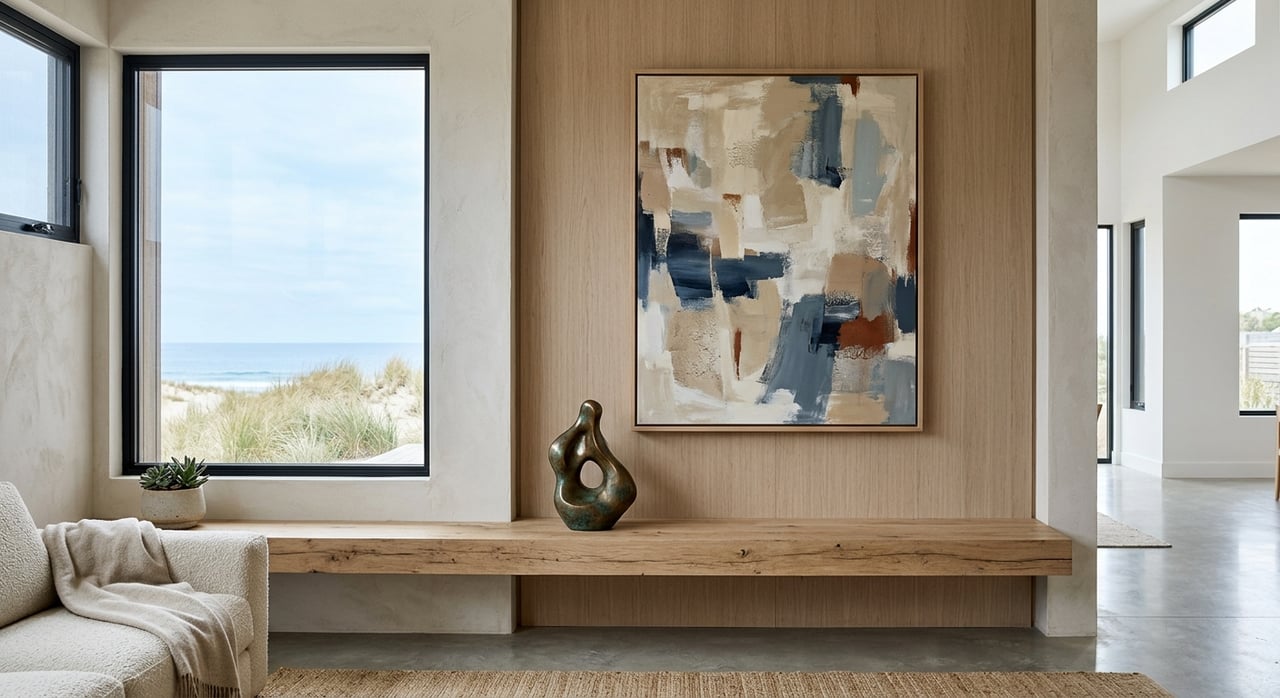
In this setting, artwork can help tell the story of a property. The goal is not to turn your home into a gallery show. The goal is to let art support the architecture, natural light, and ocean or hillside views that make Laguna Beach homes so compelling.
That balance matters in marketing as well. According to the National Association of Realtors’ 2025 staging data, buyers and their agents still place high value on listing photos, physical staging, videos, and virtual tours. Staging also helps buyers picture a property as their future home, which is one reason presentation can influence time on market.
Start with inventory and documentation
Before any staging, packing, or photography begins, create a room-by-room inventory of your collection. The California Department of Insurance recommends documenting belongings and valuable items, including photos for pieces that are hard to describe. This gives you a clearer record before anything is moved.
A strong inventory should be practical and easy to update. Include where each piece is located, identifying details, and current supporting records. Store copies in a safe place off-site so you still have access if something is lost or damaged during the listing process.
For significant collections, your documentation may include:
- Item photos
- Condition notes
- Artist or maker information
- Provenance records
- Prior appraisals
- Insurance documents
- Dimensions and edition details, when relevant
If you are planning a move, trust or estate update, or charitable gift, this step becomes even more important. Good records help you make cleaner decisions before your home hits the market.
Understand valuation and insurance
One common mistake is treating every number tied to art as if it means the same thing. It does not. The insured value of a work, the market value of the work, and the asking price of your home are separate issues.
The California Department of Insurance notes that standard homeowners policies often provide limited coverage for collectibles, jewelry, and fine art. It also encourages consumers to schedule valuable items so they can be covered at appraised value. If your collection is substantial, review your coverage before showings, photography, or packing begins.
If updated valuation is needed, work with a qualified appraiser. IRS Publication 561 offers a useful standard for what proper appraisal support should include, such as the artist or maker, provenance, condition, dimensions, and other characteristics that affect value. That level of detail can be helpful for insurance planning and documentation before a sale.
Decide what stays and what goes
Not every piece should remain in the home during the listing period. In most cases, a selective approach works best. Keep the works that improve composition, scale, and visual flow, and remove pieces that are especially valuable, fragile, or distracting.
This is especially important in Laguna Beach, where homes often sell on light, lines, indoor-outdoor flow, and views. If a bold collection overwhelms those features, buyers may remember the art more than the property. Well-edited placement usually creates a stronger impression than trying to display everything.
A smart curation plan often means:
- Leaving a few statement pieces in main living spaces
- Reducing smaller or densely grouped works
- Removing highly personal pieces
- Taking especially sensitive or high-value works off-site
- Rechecking wall spacing and furniture layout before photography
The result should feel intentional and calm. Buyers should notice the atmosphere first, then the art as part of the setting.
Use art to support staging
Staging does not mean stripping a home of all character. In fact, art can improve listing photos when it is displayed appropriately and used with restraint. The key is editing.
NAR guidance suggests that less is usually better in listing photography. A thoughtfully placed painting can add color and texture to a room, but too many pieces can create visual noise and compete with the space itself.
Room-by-room curation tends to work better than a whole-house display strategy. Recent staging data shows that sellers’ agents most often focus on decluttering, cleaning, and professional photos, with common attention on living rooms, primary bedrooms, dining rooms, and kitchens. Those are usually the rooms where selective art placement has the greatest payoff.
Protect privacy and security during showings
Security should be part of the listing strategy from day one. NAR’s Safe Listing Form specifically identifies artwork as a type of valuable that may need to be removed from plain view. It also recommends removing unnecessary personal items and limiting access to pre-qualified or properly identified buyers.
For a high-value Laguna Beach property, tighter showing protocols can make sense. Fewer casual eyes on the collection means less exposure for the pieces and more control for you as the seller. This is especially relevant if your home includes recognizable works or objects that are difficult to replace.
Simple protective steps may include:
- Removing the most valuable works before launch
- Limiting what appears in marketing photos
- Confirming showing procedures in advance
- Keeping detailed records of what remains on-site
- Coordinating access carefully during private tours
This approach protects both the home and the collection while keeping the sales experience polished.
Hire professionals for handling and transport
When major artwork needs to come down, do not treat it like ordinary household moving. Smithsonian guidance is clear that trained professionals should handle conservation work, and that specialized packing methods help protect fragile or oversized pieces in transit. That same principle applies during pre-listing preparation.
Professional art handlers can help with de-installation, packing, storage, transport, and re-hanging. This is often the safest route for large framed works, delicate surfaces, or pieces with unusual dimensions. General movers may be excellent for furniture, but fine art calls for a different standard of care.
If conservation or condition review is needed, use qualified specialists. It is better to ask for expert support early than to discover damage after the home is listed or after a piece arrives at its next destination.
Coordinate staging and photography together
Photography is not an afterthought in a luxury listing. It is one of the main ways buyers first experience your home. NAR’s 2025 data shows that photos are especially important in marketing, with videos and virtual tours also playing a major role.
That is why art placement and media planning should happen together. If you photograph first and adjust later, you may end up redoing key assets. A better process is to finalize what stays in the home, refine the styling, and then capture the property in its best light.
This is where a design-aware listing strategy helps. In a Laguna Beach home, the camera should capture scale, materials, natural light, and the relationship between interiors and views. Art should complement those elements, not dominate them.
Be careful with edited images in California
California has a specific rule on digitally altered real estate images. Business and Professions Code section 10140.8 requires disclosure when a broker or salesperson uses a digitally altered image in advertising or promotional materials for the sale of real property. It also requires access to the original, unaltered image in the manner set out by the statute.
For sellers with major art collections, that matters if listing images involve virtual staging, object removal, or AI-based edits. Removing artwork from a photo or adding different pieces can fall into a category that needs careful review. Ordinary edits such as lighting correction or cropping are treated differently, but material changes to what a buyer sees should be handled with caution.
In practical terms, your photography strategy should be clean and honest from the start. That reduces confusion, keeps marketing consistent, and helps present the property accurately.
What sellers should do before listing
If you are preparing to sell a Laguna Beach home with significant artwork, start early and stay organized. The strongest results usually come from a plan that protects the collection while letting the home show clearly.
A simple pre-listing checklist includes:
- Create a full room-by-room inventory.
- Gather photos, provenance, appraisals, and insurance records.
- Review insurance coverage for fine art.
- Decide which pieces stay, move off-site, or go into storage.
- Use professional art handlers for major works.
- Curate art room by room before staging and photography.
- Set secure showing procedures.
- Review any digitally altered marketing images carefully.
Selling a home like this is part marketing exercise and part asset-management project. When both sides are handled well, you can present the property beautifully without losing sight of security, documentation, or value.
In a market like Laguna Beach, details matter. A home with a serious collection deserves a listing strategy that understands design, presentation, and discretion. If you are planning a move and want guidance tailored to your property, connect with Marcus Skenderian Real Estate for a thoughtful, high-touch approach.
FAQs
Should you remove art before selling a Laguna Beach home?
- In many cases, yes. A selective approach usually works best, with a few well-placed pieces staying to support the home’s presentation while especially valuable, fragile, or distracting works are removed.
What documents should you prepare for an art collection before listing your Orange County home?
- Start with a room-by-room inventory, then gather item photos, condition notes, provenance records, appraisal records, dimensions, edition details when relevant, and current insurance documents.
Who should handle large or fragile artwork during a Laguna Beach move?
- Trained professional art handlers are usually the safest choice for de-installation, packing, storage, transport, and re-hanging, especially for oversized or delicate works.
Can artwork appear in listing photos for a California home sale?
- Yes, but it should be edited thoughtfully so the home remains the focus, and any material digital changes to images should be handled in line with California disclosure rules.
Why does staging matter when selling a luxury Laguna Beach home?
- Staging helps buyers visualize the home more easily, supports stronger listing photos and media, and can improve how quickly and clearly the property connects with the market.