Thinking about splitting your lot in Orange County under SB 9? You are not alone. Owners and small developers see the promise of more housing and added value, but the rules can feel complex, especially near the coast. In this guide, you will learn the basics, local pitfalls to avoid, and practical steps to gauge feasibility before you spend money. Let’s dive in.
SB 9 at a glance
Two units and lot splits
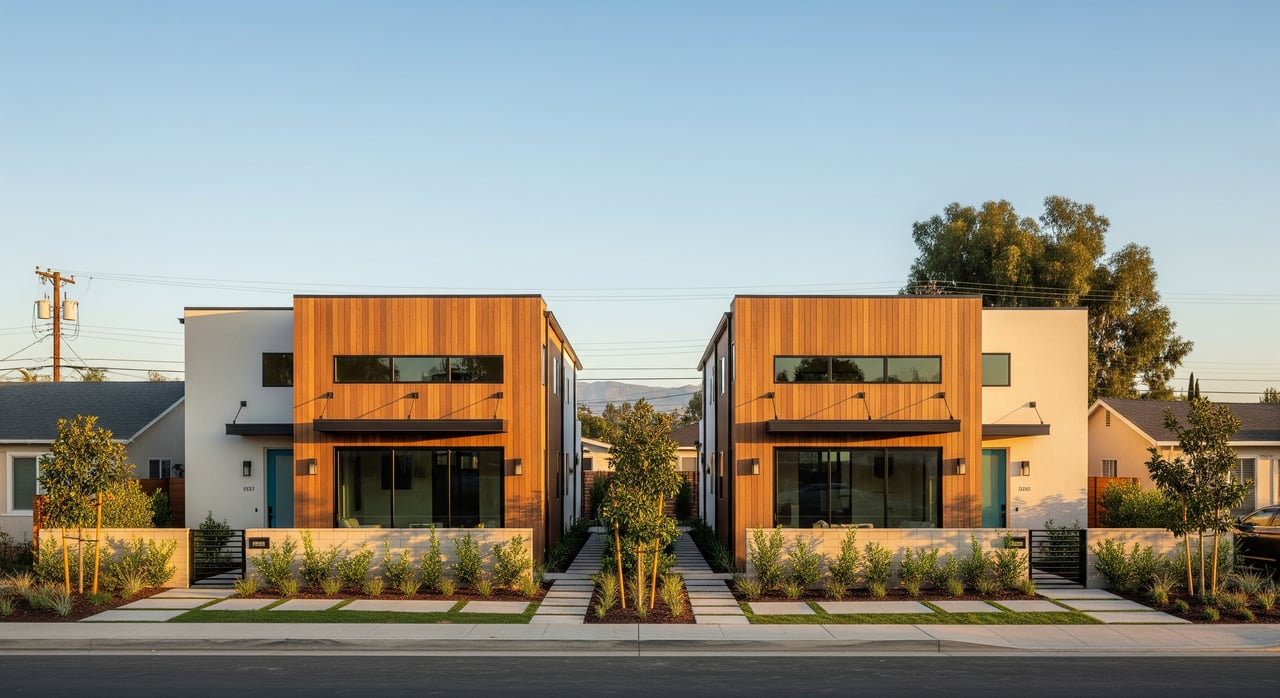
SB 9 creates a ministerial path to build up to two homes on a single lot and to split one lot into two, often called an urban lot split. If both new lots are later developed with duplexes, the original site could host up to four homes in total. You can review the statutory language in the SB 9 legislative text and the state’s HCD SB 9 guidance and FAQs.
Ministerial, objective rules
Ministerial means no discretionary hearing when your project meets objective standards. Cities can apply measurable rules for setbacks, height, lot coverage, and design features such as window placement. If your proposal does not meet those objective standards, it may shift into discretionary review, which brings added time and cost.
Eligibility and common exclusions
Coastal Zone and LCP areas
Many Orange County parcels sit inside the California Coastal Zone. In these areas, development must align with the city’s certified Local Coastal Program. The Coastal Act can limit or change how SB 9 applies, and some coastal parcels may require additional coastal permits. You can explore how Local Coastal Programs function on the California Coastal Commission’s LCP page.
Historic and hazard overlays
Parcels that are historic resources or inside designated historic districts commonly do not qualify for ministerial approval. Hazard overlays also matter. Very high fire hazard zones, floodways, wetlands, or bluff setback areas can exclude a project from streamlined treatment or add conditions.
Protected housing and past splits
SB 9 restricts demolition or alteration of certain protected units, including those that are rent-restricted or have recorded affordability covenants. The law also limits serial subdivision. A parcel previously split under SB 9, or recently subdivided in a way that triggers ineligibility, will not qualify for another SB 9 split.
Orange County pitfalls to watch
Tight objective standards
Objective standards vary by city. On smaller or irregular lots, meeting front, side, and rear setbacks along with lot coverage and building separation can be tough. Narrow coastal lots are especially sensitive to these rules.
Parking and access limits
Some cities require off-street parking spaces per unit, while others offer limited reductions. Alley or street frontage constraints can block driveway placement or utility runs. If you cannot meet access or parking objectives, ministerial approval is unlikely.
Utilities and sewer capacity
Older neighborhoods may have utility constraints. Even when one project seems small, cumulative impacts can lead to added requirements or fees. Plan for early conversations about sewer laterals and water service.
Private CC&Rs and HOAs
SB 9 affects public entitlements. It does not override private covenants, conditions and restrictions. If your property has CC&Rs or sits in an HOA that limits lot splits or duplexes, that private rule can still apply.
ADUs and overall unit counts
ADU law is separate from SB 9. In some cases, you can have both, although combined unit limits, parking, or utility rules may constrain what is possible. Always confirm how your city treats ADUs alongside SB 9 units to avoid conflicts.
Do-it-yourself pre-check
Before you hire consultants, run a quick screen. If any of these raise concerns, verify them with the city or a qualified professional.
- Coastal Zone check: Look for coastal boundaries and LCP coverage. Start with the Coastal Commission LCP overview, then confirm with your city planner.
- Hazard overlays: Check Cal Fire’s Fire Hazard Severity Zones resource and FEMA’s Flood Map Service Center.
- Zoning and parcel size: Find your zoning designation and read the city’s objective standards for setbacks, height, and lot coverage. Compare those to your lot’s dimensions.
- Title and CC&Rs: Order a preliminary title report to identify recorded restrictions, easements, and any HOA rules.
- Past subdivision: Review your parcel map history to ensure the lot has not already been split under SB 9 or through a recent subdivision that limits eligibility.
Red flags that warrant a pause:
- Property within the Coastal Zone, especially near bluffs or public access corridors.
- Historic resource status or location inside a local historic district.
- Very high fire severity, floodway, wetlands, or known environmental contamination.
- CC&Rs or HOA covenants that limit lot division or multi-unit use.
- Small, irregular, or flag lots that struggle to meet objective setbacks and parking.
- Existing protected housing or recorded affordability covenants.
Process, timing and costs
Typical steps
- Preliminary feasibility: Complete the self-check and make a short call to the city planning counter.
- Title review: Pull a preliminary title report and review any HOA documents.
- Survey and concept: Order a boundary survey and a basic feasibility sketch to test setbacks, building envelopes, and parking.
- Application: Prepare the SB 9 packet per the city’s checklist. Include site plans and any required owner declarations.
- Ministerial review: The city checks for objective compliance. If you meet the rules, approval is typically issued without hearings.
- Building permits: Submit construction drawings after entitlements are secured.
Timelines
Many cities aim for around 60 to 90 days for ministerial SB 9 entitlements, though timing varies by jurisdiction. If your project needs variances, coastal permits, or other discretionary actions, expect several additional months. Building permits and construction have separate timelines based on plans and contractor availability.
Cost ballpark
- Low-cost pre-checks and planning calls: minimal to about a few hundred dollars.
- Title and HOA document pulls: a few hundred to roughly a thousand dollars.
- Boundary survey and basic plot plan: about one to several thousand dollars depending on lot complexity.
- Concept sketches and basic feasibility design: low thousands to low five figures depending on scope.
- City filing fees: several hundred to several thousand dollars depending on the city and application type. If discretionary entitlements are required, legal and consultant costs can rise significantly. Obtain written estimates from local professionals before proceeding.
Coastal parcel tips
- Expect extra constraints: Coastal bluff setbacks, hillside slopes, and view corridor protections can reduce buildable area.
- Plan for parking early: Narrow lots and limited alley access can make required parking the make-or-break issue.
- Confirm LCP alignment: A concept that meets SB 9 may still need coastal review if the LCP requires it. Early planner input can save time.
When to bring in experts
If your quick screen looks green, engage a surveyor and architect for a feasibility sketch. If you see CC&Rs, Coastal Zone questions, or hazard overlays, speak with the city planner first, then consider legal counsel. When you are ready to weigh resale value, timelines, and design options, connect with a team that understands both entitlement risk and market strategy.
If you want local, architecture-informed guidance from pre-check through marketing and sale, we are here to help. Reach out to Marcus Skenderian Real Estate for a confidential consult.
FAQs
What is SB 9 and how does it affect single-family lots in Orange County?
- SB 9 creates a ministerial path for up to two units per lot and allows an urban lot split, potentially enabling up to four units across two new parcels when both are developed as duplexes.
Are SB 9 lot splits allowed in the California Coastal Zone?
- They can be limited, because coastal development must comply with the city’s Local Coastal Program, and some projects may require coastal permits or be ineligible for ministerial approval.
Do HOA rules or CC&Rs override SB 9 rights?
- SB 9 does not void private covenants, so CC&Rs and HOA rules can still restrict lot division or multi-unit development even if the city would approve the project.
How do objective standards impact my design?
- Cities apply measurable rules for setbacks, height, lot coverage, and sometimes privacy or building separation, and if you cannot meet them, you lose the ministerial path.
How long does ministerial SB 9 approval usually take?
- Many jurisdictions target roughly 60 to 90 days for ministerial review, but timelines vary and discretionary permits can add several months.
What are the most common reasons SB 9 plans get denied in Orange County?
- Coastal conflicts with the LCP, historic resource status, hazard overlays, inability to meet objective setbacks or parking, CC&R restrictions, or prior ineligible subdivisions often derail projects.